
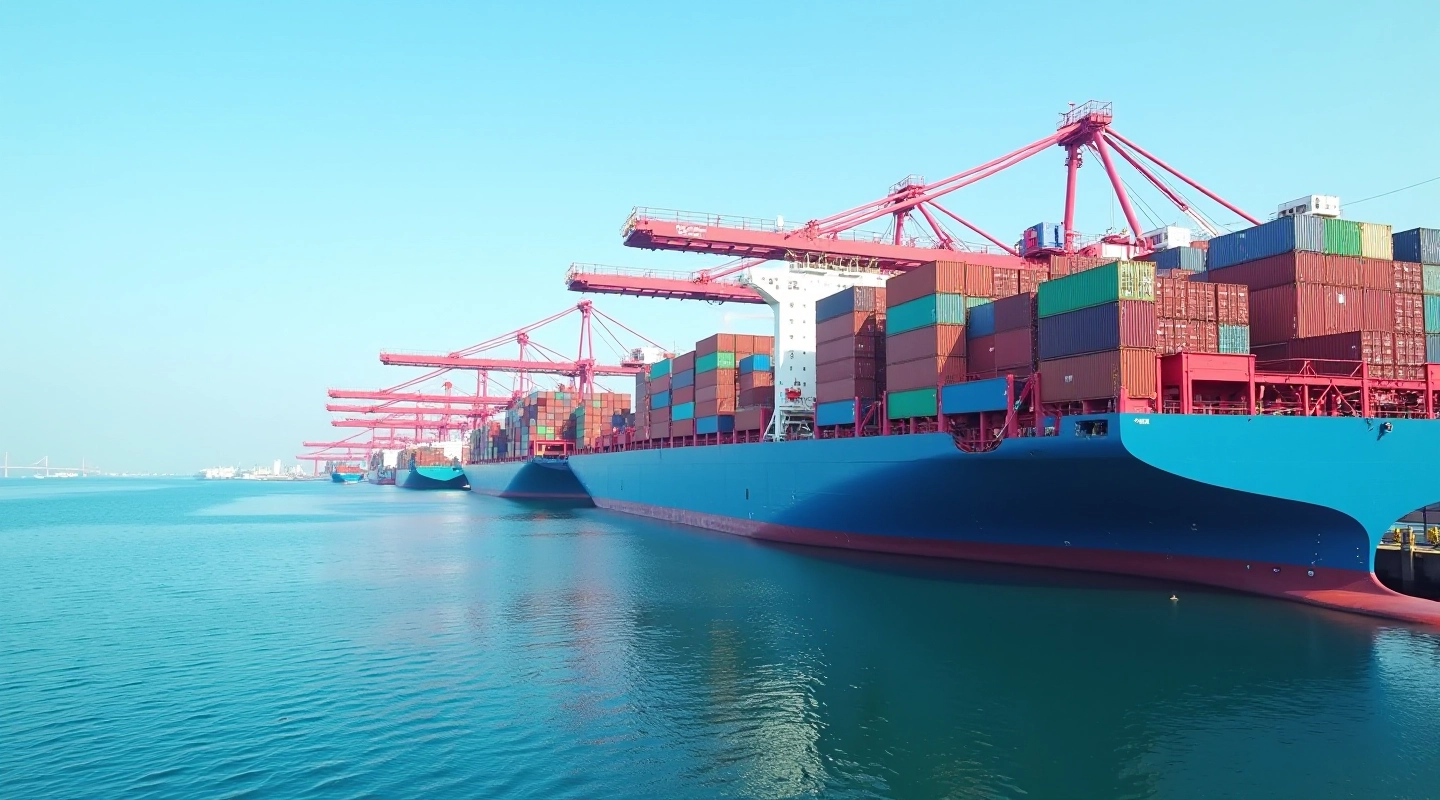
Building Resilient Vendor Networks in Port Operations
How diversifying supplier relationships and establishing backup vendors reduces operational vulnerability and improves response times.
Read MoreIdentify vulnerabilities and create contingency plans. Proven methods for port-based logistics operations.


Risk assessment isn't about predicting the future. It's about knowing where things could go wrong and having a plan ready. When you work in port operations, disruptions aren't just possibilities—they're inevitable. Weather delays, equipment failures, vendor issues, communication breakdowns. They happen. The difference between a resilient operation and a chaotic one comes down to how prepared you are.
We're talking about a structured approach. You map out your dependencies—which suppliers you can't do without, what happens if a berth becomes unavailable, what you'll do if a key contractor goes out of business. Most operations skip this step. They assume things will work out. Then something breaks and everyone's scrambling.
A real risk assessment framework starts with identifying critical nodes in your supply chain. Which vendors are single points of failure? What equipment do you have no backup for? Which routes do you depend on? Once you've answered these questions honestly, you can actually do something about them.


Most frameworks follow a similar pattern, and you don't need something complicated. Here's what works: identify, evaluate, respond, monitor.
List every supplier, service, and system you depend on. Focus on the ones where disruption would impact operations within hours, not weeks.
For each dependency, estimate how likely a disruption is (based on history, not assumptions) and what it would cost you. Some risks are low-probability but high-impact. Others are regular headaches.
For high-priority risks, write down exactly what you'll do. Who calls whom? What's the backup vendor? How long can you operate without this? Document it clearly so it's not just in someone's head.
Quarterly reviews work well for port operations. Your suppliers change, routes shift, new technologies emerge. What was a major risk might've been mitigated. New risks appear.
Let's be concrete. You've got three main vessel agents who handle scheduling and coordination. If one of them fails—goes out of business, loses a key person, gets overloaded—your scheduling becomes a bottleneck. That's a risk. You assess: it's happened once in the past 5 years to another operator. If it happened to you, you'd lose roughly 2-3 days of scheduling flexibility per disruption. So the likelihood is moderate and the impact is significant.
Your response plan: you've identified a backup agent you trust. You've had preliminary conversations with them. You've got their contact protocols documented. You've agreed they'd prioritize your work if your primary agent goes down. It's not foolproof, but you're no longer helpless.
That's how this works. You won't eliminate risk—you'll reduce it and prepare for what remains. You'll know your weak points before they fail you.

This guide provides general information about risk assessment frameworks for supply chain operations. Specific implementation will depend on your operational context, local regulations, and business requirements. We recommend consulting with your operations team and industry specialists to develop frameworks suited to your particular circumstances and port environment.
These aren't complicated. You don't need fancy software—spreadsheets work fine. What matters is that you document decisions and review them regularly.
A simple spreadsheet listing every supplier, service, and critical system. Include contact information, contract terms, and what happens if they're unavailable.
Map likelihood (low/medium/high) against impact (low/medium/high). Focus your planning efforts on the high-impact items, regardless of likelihood.
Written procedures for top risks. Who's responsible? What's the communication sequence? How long until we switch to backup systems? Make it clear and actionable.
Calendar reminders for quarterly or semi-annual reviews. Update the assessment when suppliers change, new routes launch, or disruptions occur.
Explore more on supply chain resilience and vendor management.
How diversifying supplier relationships and establishing backup vendors reduces operational vulnerability and improves response times.
Read More
Track vendor reliability, delivery times, and quality metrics. Real examples from port operations and how to set meaningful benchmarks.
Read More
Real-time coordination between terminals, vessels, and transport providers. Essential communication protocols for reducing delays and errors.
Read MoreStart with your dependency inventory this week. It's the foundation for everything else. You don't need perfection—you need clarity and a plan.
Get in Touch