
Coordinating Container Movements: Communication Systems That Work
Real-time coordination between terminals, vessels, and transport providers. Essential communication protocols for smooth port operations and reduced bottlenecks.


Written by the plumequip Editorial Team, focused on clear, practical guidance for supply chain and port operations.
Container ports don't run on autopilot. They run on communication. And not just any communication — the kind that's synchronized down to the minute. When a 400-meter vessel pulls into a terminal, dozens of decisions happen in parallel. Where does the container go? Which transport truck arrives when? What about the documentation? Who's responsible for the next handoff?
Without proper coordination systems, you get delays that ripple through the entire supply chain. Containers sit waiting. Ships miss their windows. Transport providers waste fuel idling. The costs add up fast, and nobody's happy. But when communication systems work properly — when all the parties involved can see real-time information and coordinate decisions — everything flows.
Why Real-Time Visibility Matters
The difference between a smooth port operation and a bottleneck comes down to visibility. Terminal operators need to know which containers are coming. Vessel planners need to confirm what's being loaded. Transport coordinators need to see pickup schedules. Everyone's working with partial information, and that's where problems start.
Real-time systems let you see the entire picture. A container's been unloaded? The system knows immediately. A truck's been assigned? That information flows to everyone who needs it. You're not waiting for emails or phone calls or end-of-day reports. You're seeing it as it happens. That speed matters. It's the difference between a 45-minute turnaround and a 3-hour delay.
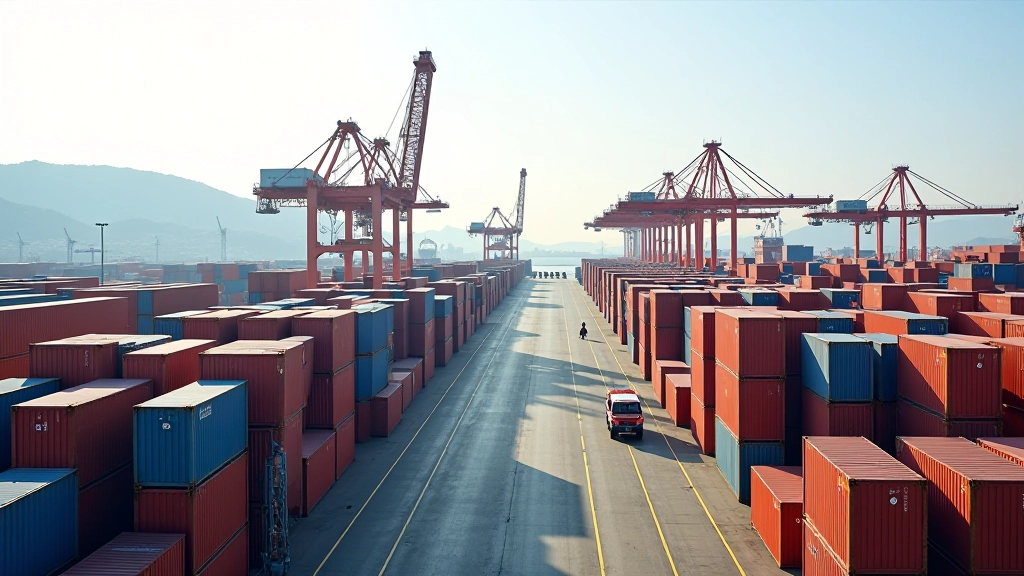
Most ports at Kwai Tsing handle over 5,000 container movements daily. That's 5,000 decisions about location, timing, and responsibility. Without real-time systems, you're managing that with spreadsheets and phone calls. It's simply not viable.

The Communication Infrastructure
A working communication system for container coordination needs several components. You've got to track container location — where it is right now. You need vessel schedules — when ships arrive and depart. You need truck assignment data — which transport provider's picking up what. And you need to know who's responsible at each step.
The best systems use APIs that connect different platforms. Your terminal management system talks to shipping lines' booking systems. That connects to trucking company dispatch software. Everyone's feeding data into a shared view. It's not perfect — there's always some lag — but when it works, all parties see the same information.
You'll also need a standard format for communication. EDI messages work for some flows. JSON APIs work for others. The key is that everyone agrees on the format and timing. If the terminal's sending updates every 5 minutes but the trucking company only checks every 30 minutes, you've still got coordination problems.
The Four Critical Coordination Points
Ship sends manifest 48 hours before arrival. Terminal confirms they can handle the load. Transport providers get notification to prepare capacity.
As containers come off the vessel, they're scanned and positioned in the yard. Real-time location data updates instantly. Pickup requests can be placed immediately.
Trucks are assigned specific containers and arrival time windows. They know exactly where to find it in the yard and when to arrive. No searching, no conflicts.
Container exits the terminal. Documentation flows automatically to the shipper. Next step in the supply chain is already waiting for the handoff confirmation.
Building Trust Between Partners
Communication systems only work when everyone trusts the data. If a transport company doesn't believe the container location information, they'll still call to confirm. If the terminal doesn't trust the vessel's manifest, they'll double-check everything. That defeats the purpose.
You build trust through consistency and accuracy. If your system says a container's in Bay 7, Row 12, and the driver goes there and finds it — that builds confidence. If the manifest matches what actually arrives — that's proof the system works. It takes time. But once partners trust the data, they stop doing redundant checks and focus on coordination instead.
It also helps to have clear agreements about what each party's responsible for. If the terminal owns container location data, they're the authority. If the shipping line owns manifest data, they're the source of truth. When responsibilities are clear, disputes become much rarer.

Practical Implementation Steps
You don't need to build the perfect system overnight. Start with the biggest bottleneck. For most ports, that's the gap between discharge completion and truck arrival. Containers sit waiting because nobody knows they're ready to be picked up.
Implement a discharge notification system first. As each container comes off the ship, send an automated message to relevant parties — shipper, freight forwarder, transport provider. Include exact location in the yard. That alone cuts waiting time significantly.
Next, tackle truck scheduling. Let transport companies book pickup slots and know their arrival windows in advance. This reduces congestion at the gate and eliminates the "I'll just show up and see what happens" approach that creates chaos.
Finally, integrate documentation flows. As containers move, relevant paperwork updates automatically. Customs gets notified. Shippers get confirmation. The next leg of the supply chain sees the handoff immediately. That's when you've really optimized the system.
Explore Related Topics
Building Resilient Vendor Networks in Port Operations
How diversifying supplier relationships and establishing backup vendors reduces disruption risk and maintains operational continuity during supply chain challenges.

Key Performance Indicators for Vendor Oversight
Track vendor reliability, delivery times, and quality metrics. Real examples from port operations showing how KPIs drive vendor performance and accountability.

Risk Assessment Frameworks for Supply Chain Disruptions
Identify vulnerabilities and create contingency plans. Proven methods for port-based logistics showing how to assess and mitigate supply chain risk.
Informational Guidance
This article provides general information about port coordination systems and communication practices. Specific implementations vary based on port size, location, regulatory requirements, and individual operational constraints. Port operators should consult with their management teams, technology vendors, and relevant regulatory authorities when implementing communication systems. The examples and timelines mentioned reflect general industry practices and may differ at specific facilities. Always verify current requirements with your port authority and relevant maritime authorities.
The Path Forward
Container coordination doesn't happen by accident. It happens because someone invested in systems that let all parties see what's happening in real time. It happens because people agreed on standards and responsibilities. And it happens because the benefits — faster turnarounds, fewer delays, reduced costs — are worth the effort to build it right.
You don't need the fanciest technology. You need the right information flowing to the right people at the right time. Start with your biggest bottleneck. Build trust through consistent, accurate data. Expand from there. That's how you transform container movement from a series of disconnected handoffs into a coordinated operation that works smoothly.