
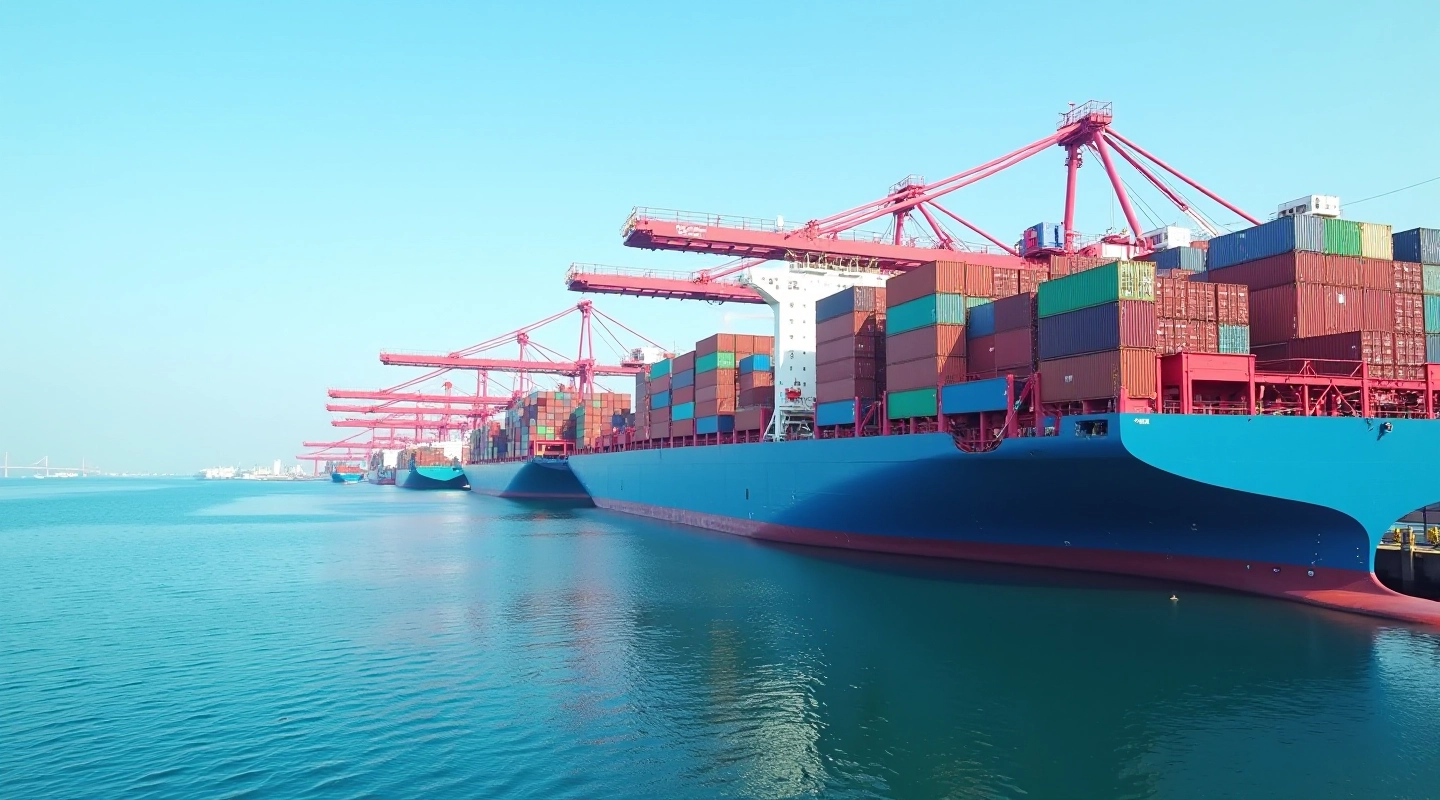
Building Resilient Vendor Networks in Port Operations
How diversifying supplier relationships and establishing backup vendors reduces operational disruptions. Practical strategies for Kwai Tsing terminals.
Read GuideVendor oversight and logistics coordination that keeps Kwai Tsing terminal moving
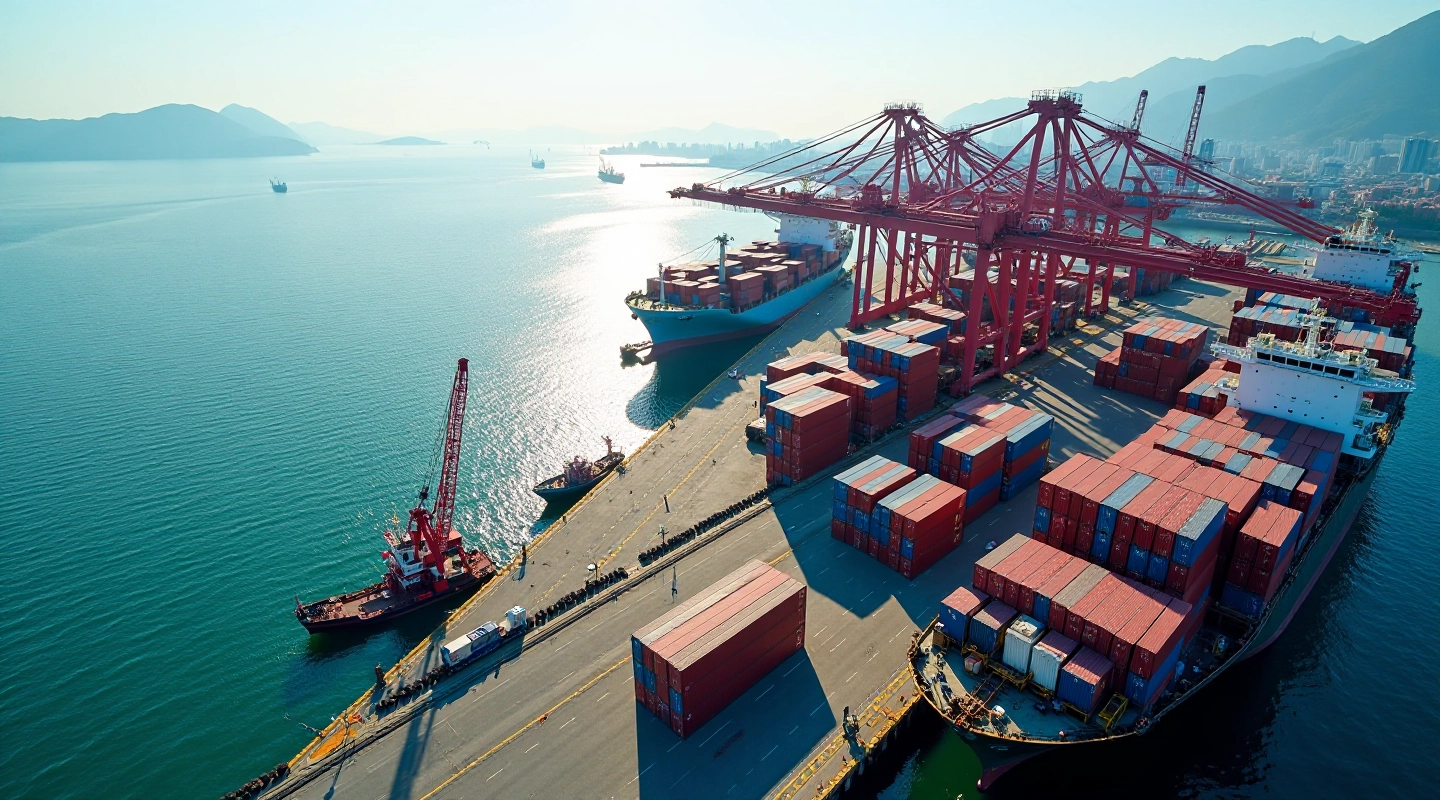
Supply chain disruptions happen. The question isn't whether your vendors will face challenges — it's whether you're prepared. We focus on practical strategies: diversifying supplier relationships, establishing backup vendors, and creating communication systems that actually work when pressure builds.
For container port operations like Kwai Tsing, vendor reliability directly impacts terminal throughput. One delayed shipment can cascade across your entire schedule. That's why we emphasize building redundancy into your network before you need it.
Learn Strategy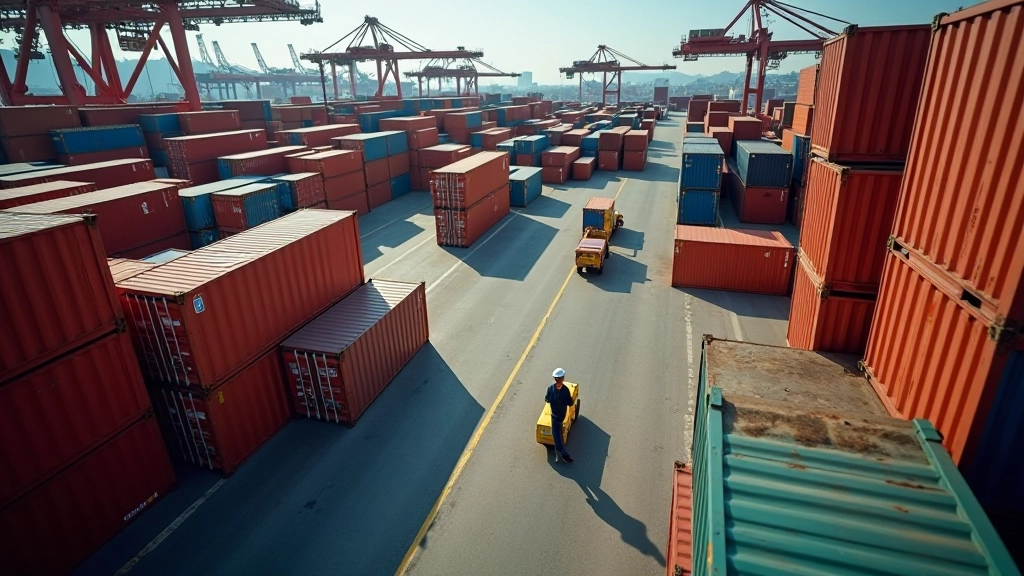

You can't manage what you don't measure. Real vendor oversight requires specific metrics: delivery time consistency, quality defect rates, communication responsiveness, and cost variance. But here's the thing — not all metrics matter equally to port operations.
We break down which KPIs actually predict vendor reliability and which ones are just noise. On-time delivery percentage matters. Invoice accuracy matters. Whether they have a fancy website doesn't. Focus your attention where it moves the needle for your terminal.
Explore KPI FrameworkDisruption doesn't announce itself. Weather delays, equipment failures, labor shortages, regulatory changes — these cascade through supply chains with no warning. The organizations that survive these shocks aren't the lucky ones. They're the ones who mapped vulnerabilities in advance.
We help you identify weak points in your vendor network, create contingency plans for realistic scenarios, and establish decision-making frameworks for when things go wrong. For Kwai Tsing operations specifically, that means understanding which vendors you genuinely can't replace and what that costs you.
Review Risk Framework
Everything we cover relates to one goal: keeping your supply chain stable and your vendors accountable
Structure vendor partnerships that create accountability without creating friction. Clear expectations, regular communication cycles, and mutual benefit — not adversarial relationships.
Systematic measurement of what matters. Delivery consistency, quality metrics, responsiveness, and cost performance tracked in ways you can actually act on.
Identify vulnerabilities before they become crises. Redundancy in critical supplier relationships and contingency planning for realistic disruption scenarios.
Coordination that works when it matters most. Protocols for normal operations and escalation procedures for when things go wrong. Clear, documented, practiced.
Written procedures that stick. Not thick manuals nobody reads, but actual working documents your team uses because they're clear and solve real problems.
How resilient supply chains actually work: assessment, structure, monitoring, adjustment
You can't improve what you don't understand. We start by documenting your actual vendor relationships, identifying critical dependencies, and spotting concentration risk. For Kwai Tsing terminals, this means understanding which suppliers you genuinely can't replace and what that dependency costs you operationally.
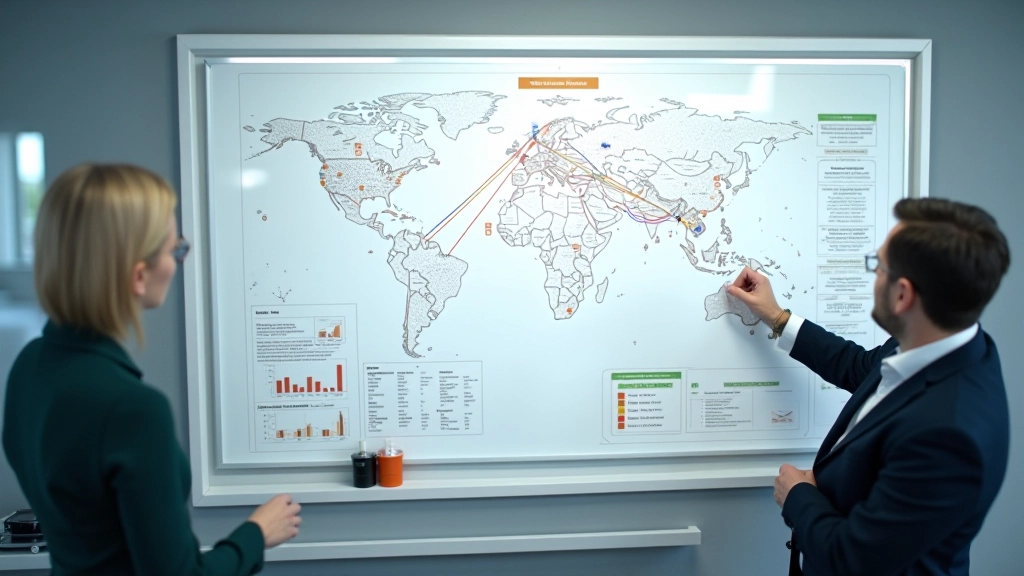

Where does your supply chain break under pressure? Single-source vendors, geographic concentration, quality issues that emerge only under stress, communication breakdowns. We work through realistic disruption scenarios — not worst-case fantasies, but actual events that happen to port terminals.
Redundancy where it matters. Backup vendors for critical supplies, diversified sourcing geography, communication protocols that work when primary systems fail. You're not building redundancy everywhere — that's too expensive. You're building it strategically where disruption actually impacts operations.

This doesn't stop once structures are in place. You're continuously tracking vendor performance, spotting early warning signs, and adjusting your approach based on what you're learning. When a vendor starts slipping, you notice it immediately and have options ready.
Since 2020, we've focused on practical guidance for supply chain resilience and vendor oversight
Founded to provide clear, practical guidance on supply chain resilience. Focus on vendor oversight and logistics coordination from day one.
Added detailed frameworks for container terminal operations. Recognized that port logistics require different vendor strategies than other industries.
Released comprehensive guides on identifying vulnerabilities and building contingency plans. Focus on realistic disruption scenarios.
Expanded content on performance measurement. Which metrics actually predict reliability, and which ones just create noise in your operations.
New guidance on supply chain resilience, vendor oversight frameworks, and port logistics coordination. Published regularly, no spam, unsubscribe anytime.
Practical guides and frameworks from our supply chain resilience category
How diversifying supplier relationships and establishing backup vendors reduces operational disruptions. Practical strategies for Kwai Tsing terminals.
Read Guide
Track vendor reliability, delivery times, and quality metrics. Real examples from container port logistics.
Read Guide
Identify vulnerabilities and create contingency plans. Proven methods for port-based logistics operations.
Read GuideWhether you're managing Kwai Tsing terminal operations or coordinating logistics elsewhere, vendor oversight and supply chain resilience follow the same principles. We're here to help you build a supply chain that doesn't break when pressure builds.
We use cookies to enhance your experience and analyze site usage. By continuing, you accept our cookie policy.